

Forex trading, or foreign exchange trading, is the act of buying and selling currencies with the goal of making a profit. It is one of the largest financial markets in the world, with a daily trading volume exceeding $6 trillion. Forex trading is conducted over-the-counter (OTC) globally, meaning it occurs directly between parties, typically through electronic trading platforms and banks. For anyone interested in delving deeper into this topic, you can visit what is forex trading https://acev.io/ for more resources and insights.
What is Forex Trading?
Forex trading involves exchanging one currency for another at an agreed price. Currencies are traded in pairs, such as the euro/U.S. dollar (EUR/USD) or the pound/U.S. dollar (GBP/USD). The first currency in a pair is known as the base currency, while the second is the quote currency. The exchange rate indicates how much of the quote currency is needed to purchase one unit of the base currency.
How Does Forex Trading Work?
The forex market operates 24 hours a day, five days a week. It’s segmented into major trading centers around the globe, including London, New York, Tokyo, and Sydney. This continuous operation allows traders to respond to economic events, news, and geopolitical developments instantly.
Traders can enter or exit trades using various techniques, including technical analysis, fundamental analysis, and sentiment analysis. The key to successful trading is to stay informed, manage risk effectively, and adopt a disciplined trading strategy.
Types of Forex Trading
There are several types of forex trading strategies employed by traders based on their risk tolerance, time commitment, and market analysis skills:
Day Trading
Day trading involves buying and selling currencies within the same trading day. Day traders aim to capitalize on short-term price movements and typically close all positions before the market closes to avoid overnight risk. This method requires significant time and attention.
Swing Trading
Swing trading seeks to profit from price changes over several days or weeks. Swing traders utilize technical indicators and patterns to identify potential entry and exit points, holding positions longer than day traders but shorter than long-term investors.
Scalping
Scalping is a high-frequency trading strategy that aims to make small profits on numerous trades throughout the day. Scalpers capitalize on minute price changes and often hold positions for only seconds or minutes.
Position Trading
Position trading is a long-term strategy where traders hold positions for weeks, months, or even years. Position traders focus on fundamental factors and broader trends instead of short-term price fluctuations. This strategy requires less daily monitoring but demands a good understanding of market fundamentals.
Major Players in the Forex Market
The forex market consists of various participants, each playing a crucial role:
- Central Banks: Central banks control monetary policy and manage the currency supply. They intervene in the forex market to stabilize or promote growth within their economies.
- Commercial Banks: Major financial institutions facilitate forex transactions, offering liquidity to the market.
- Corporations: Businesses engage in forex trading to hedge currency risks related to international operations or to facilitate imports and exports.
- Retail Traders: Individual traders participate in the forex market, seeking to profit from currency fluctuations. The rise of online trading platforms has made it accessible to a broader audience.
Understanding Forex Quotes
Forex quotes indicate how much of the quote currency is necessary to purchase one unit of the base currency. For example, if the EUR/USD quote is 1.10, it means that 1 euro is equivalent to 1.10 U.S. dollars. There are two types of quotes:
- Direct Quote: A direct quote measures the value of a foreign currency in terms of the domestic currency.
- Indirect Quote: An indirect quote indicates how much of a foreign currency is needed to acquire one unit of the domestic currency.
Reading Forex Charts
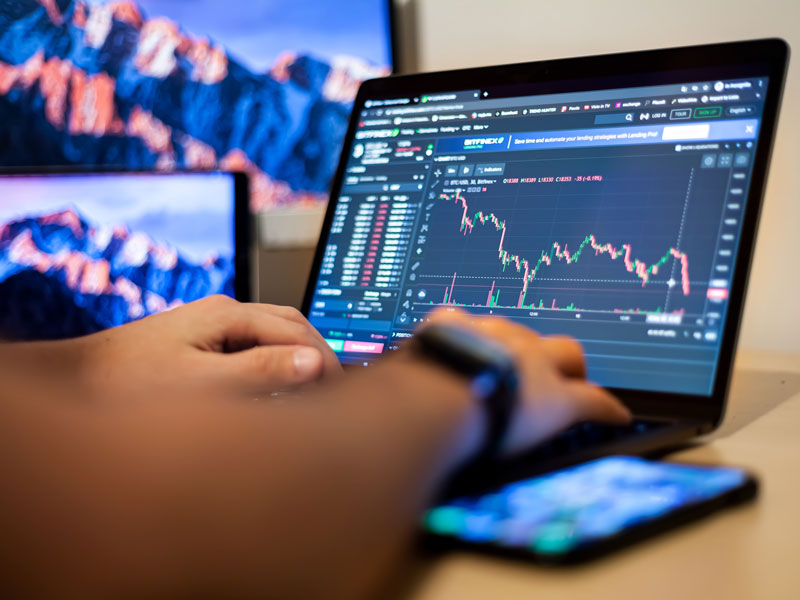
Forex traders utilize charts to analyze currency pairs’ price movements. The most common types of charts include line charts, bar charts, and candlestick charts. Each offers unique insights into price trends and helps traders make informed decisions:
- Line Charts: These provide a simple view of the closing prices over a timeframe.
- Bar Charts: These display high, low, open, and close prices for a given period, providing more detailed information.
- Candlestick Charts: These illustrate price movements, indicating bullish or bearish trends through colored candlesticks.
Risk Management Strategies
Risk management is a crucial aspect of forex trading. Traders should adopt strategies to protect their capital and minimize losses. Common risk management techniques include:
- Setting Stop-Loss Orders: A stop-loss order automatically closes a trade at a predetermined price level, capping potential losses.
- Position Sizing: This involves determining the amount of capital to allocate to each trade based on risk tolerance and account size.
- Diversifying Trades: Spreading risk across different currency pairs can help mitigate losses if one trade goes awry.
The Importance of Education in Forex Trading
Educating yourself about the forex market is vital for success. Numerous resources are available, including online courses, webinars, and trading simulations. Many brokers also provide demo accounts, allowing new traders to practice without risking real capital. Continuous learning helps traders stay updated on market trends, economic indicators, and trading strategies.
Conclusion
Forex trading presents opportunities for profit but also comes with substantial risk. It requires a comprehensive understanding of market dynamics, a disciplined approach, and effective risk management. Whether you are a beginner or an experienced trader, embracing education and adapting to changing market conditions are crucial for achieving success in forex trading.